
This was our third tasting in Europe this year, and it was the third time that we started off with open-faced sandwiches. I was intrigued, and truly enjoying it, because there’s something enticing and fun (and messy) about open-faced sandwiches, particularly when they’re done up so attractively. Moreover, it was interesting to see how the simple open-faced sandwich can be so diverse in its offerings, for they were distinctly different from one another in Prague, Malmö, and now here in Copenhagen.
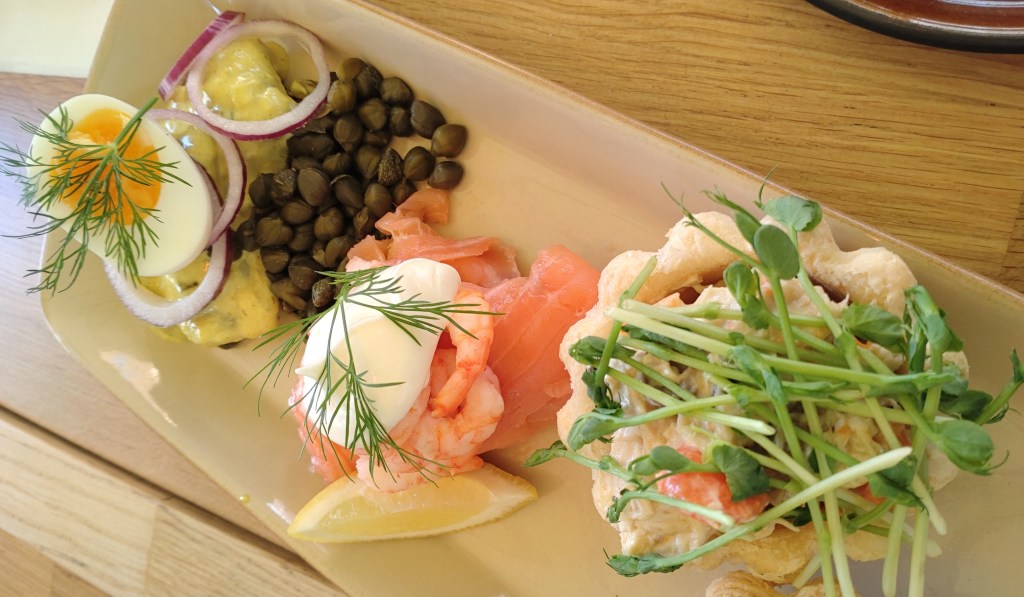
The Danes call it smørrebrød, which usually refers to a buttered rye bread base topped with meat, seafood, various spreads, garnishes and the likes. Le Pavé at the cheerful Gråbrødretorv Square serves up a notched-up array of smørrebrød, and all three varieties that we tried were delish. The first of these had a topping of herring with a creamy curry sauce, a half egg and capers. The second was topped with smoked salmon (smoked in-house, mind you) and shrimp with a dollop of mayo and dill. The third was essentially a tartlet with chicken, mushroom and greens.
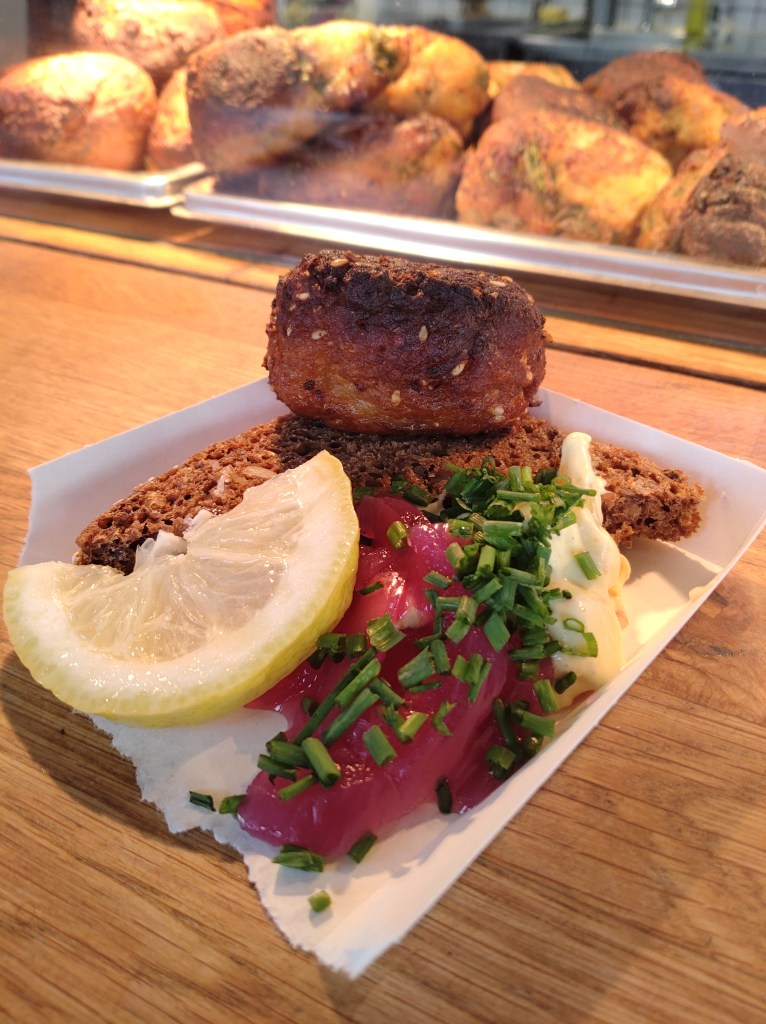
A short walk and some sight-seeing later, our next stop was Torvehallerne, a large indoor food market that offers local produce, as well as artisanal and gourmet food stuff. We started with some fiskefrikadeller (cod fish cakes) with rye bread, pickled turnip, a rémoulade and a wedge of lemon. The combination tasted really, really good. A proper winner.
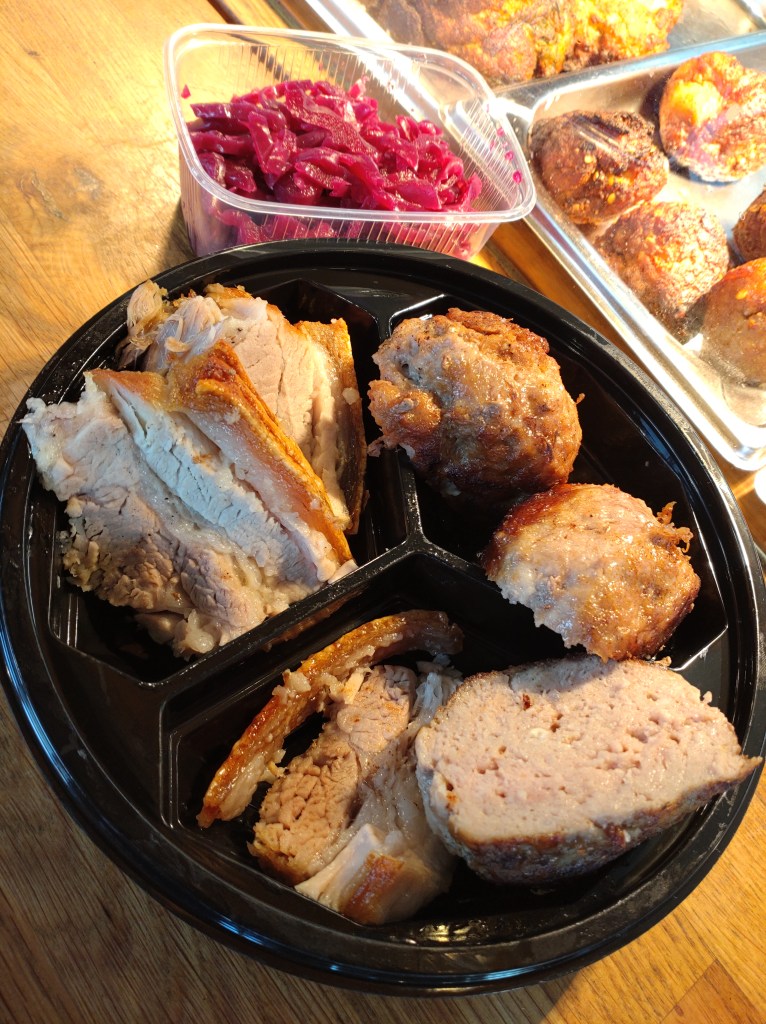
Next up was some frikadeller (meatballs) and flæskesteg (roast pork belly) with a beetroot relish. The pork belly had a nice crisp skin on it, and the meatballs were juicy and delicious. That beet relish was such a star, though, that it nearly outshone the mainstays.
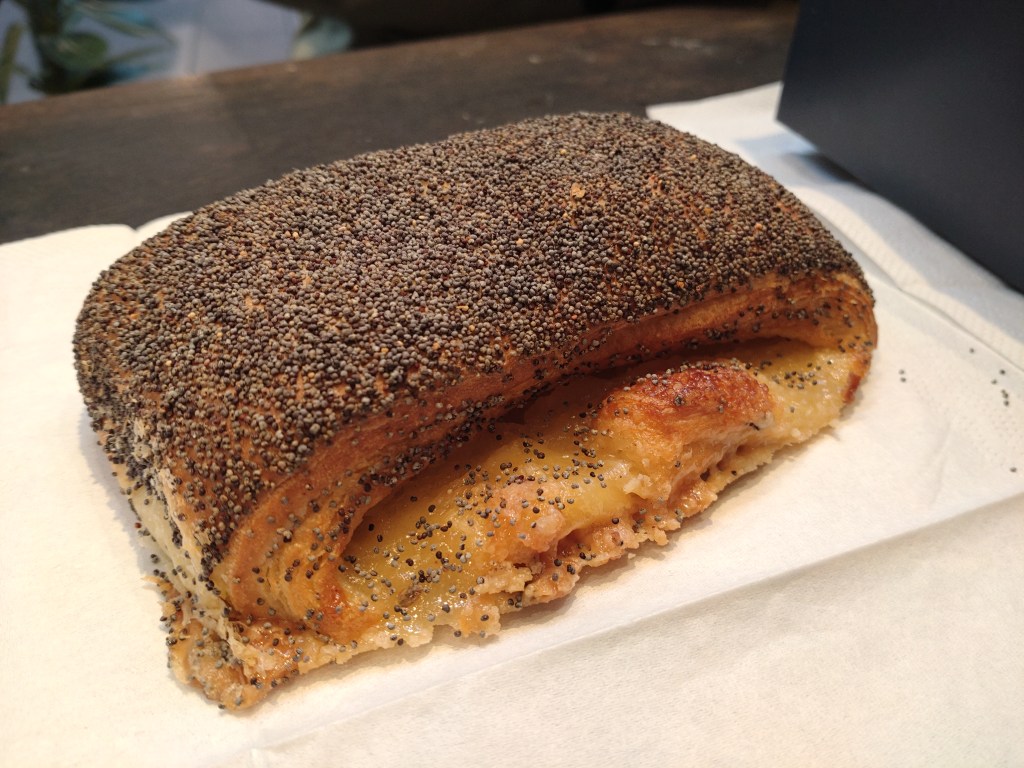
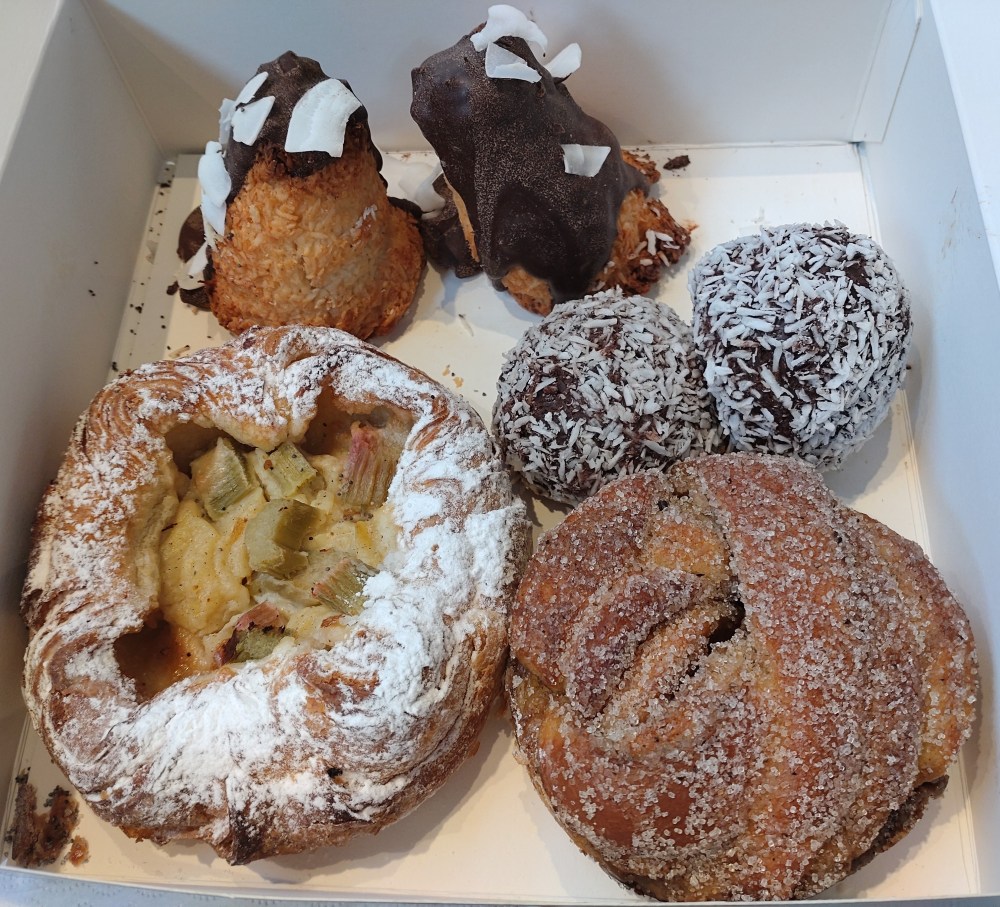
Our guide Fabrine had picked up some Danish pastries from Emmerys for us to taste. Now, when the Danes say “Danish pastries”, they don’t mean the standard pastries that we generically refer to as Danish pastries anywhere and everywhere. They’re actual a much wider variety of authentic pastries with different components and flavours. The first (and my favourite!) was tebirkes, a flaky folded pastry with a layer of marzipan within and a layer of poppy seeds on top. It was yummy!
Next was a classic spandauer pastry (familiar in appearance to most, I’m sure), but with a filling that we don’t often come across – rhubarb. I liked the sweet and tart balance of it. There was also a cardamom snurre (knotted bun), which was a refreshing difference from the more common cinnamon bun, kokostoppe (coconut cake – see Malmö) with chocolate on top, and the rich, dense and not-too-sweet rumkugler (chocolate rum balls).
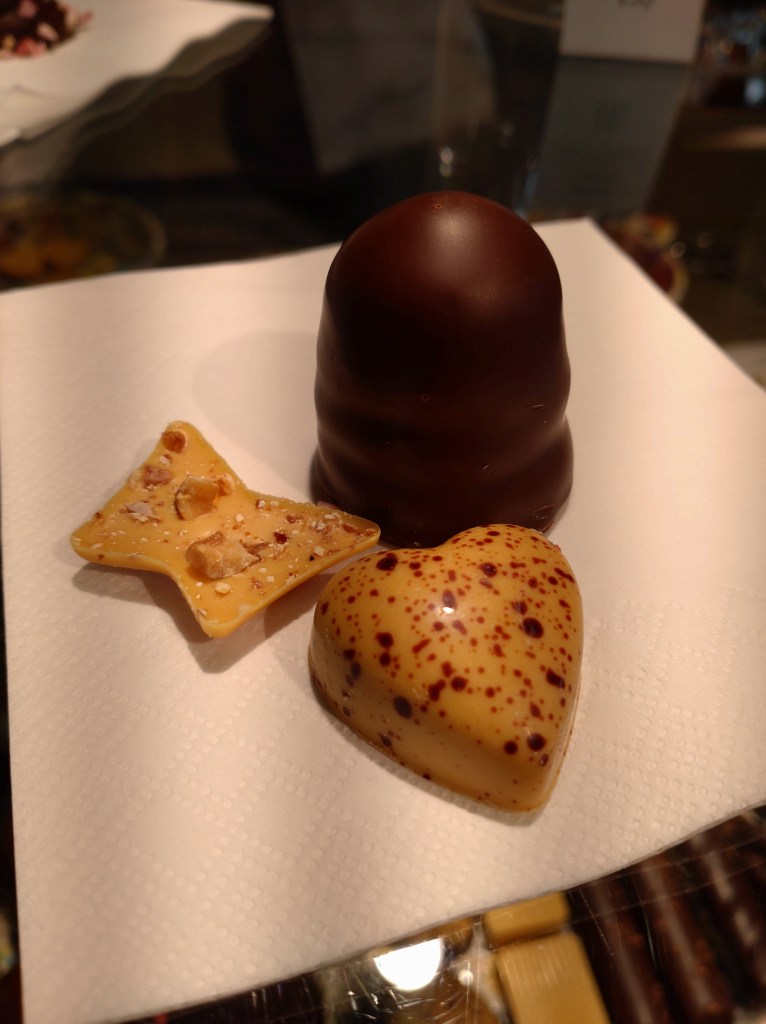
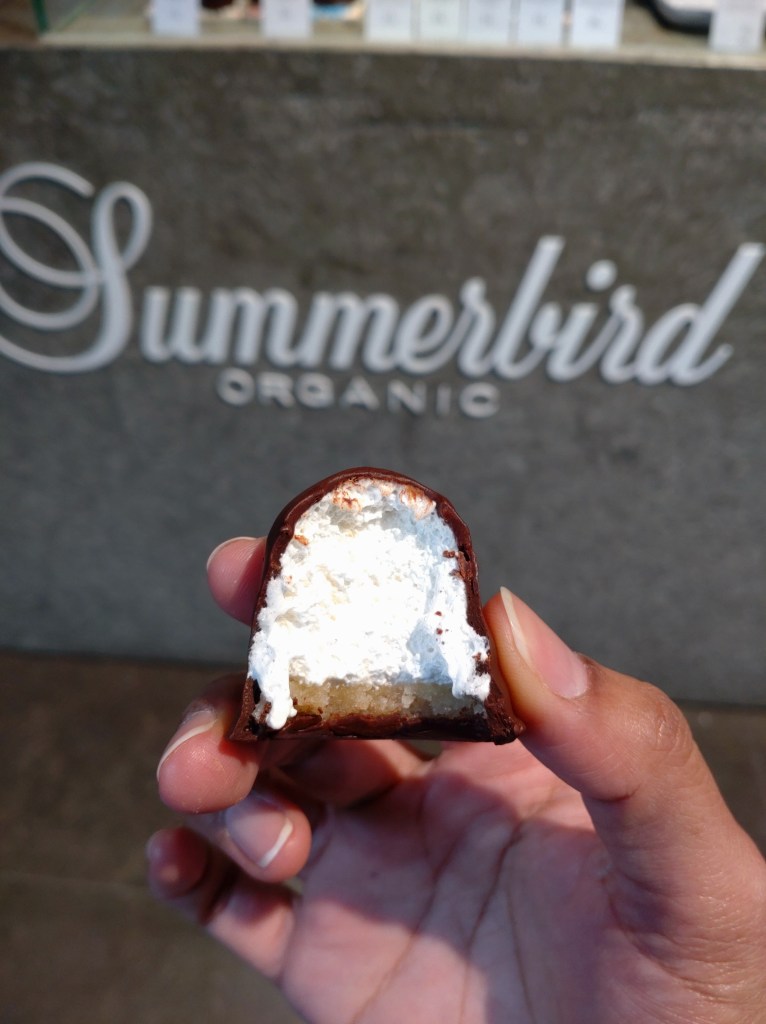
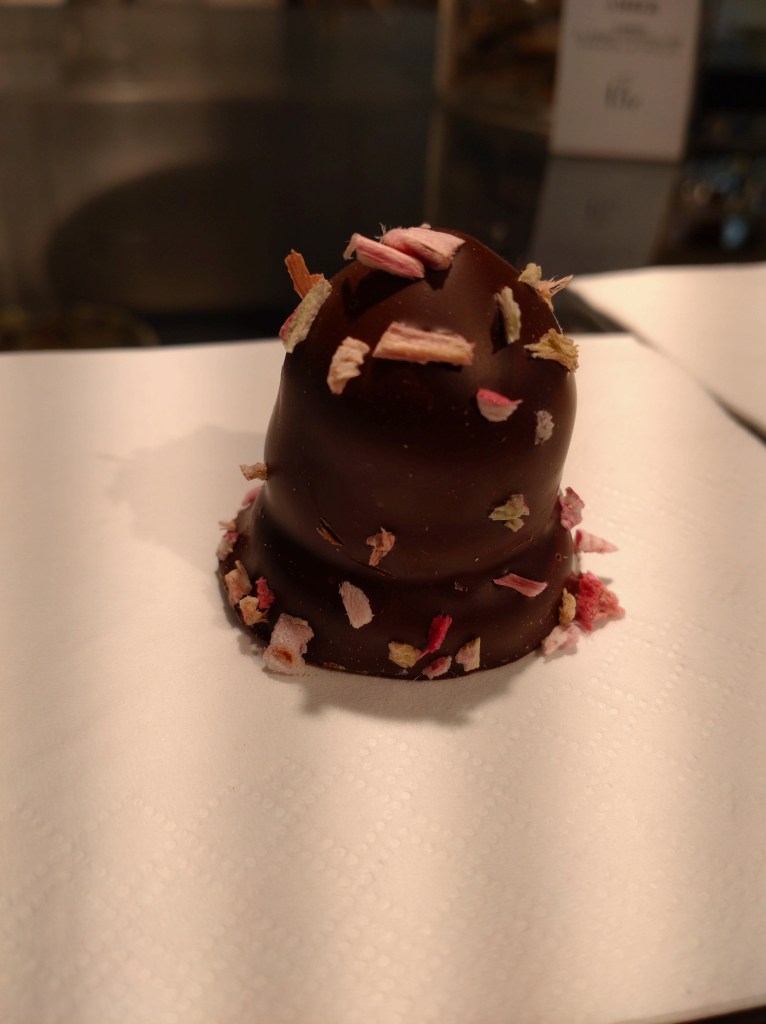
Our final stop was at Summerbird, a Danish organic gourmet chocolatier. Of course, we tried everybody’s favourite flødeboller, a delightful tea cake with a biscuit base, marshmallow filling and chocolate coating. It was lovely. They also do a rhubarb version of it (there was a hint of tartness in the filling of this one), as well as many other flavoured gourmet chocolates. In the image with the classic flødeboller are amber chocolates with a hazelnut topping and a passion fruit filling.
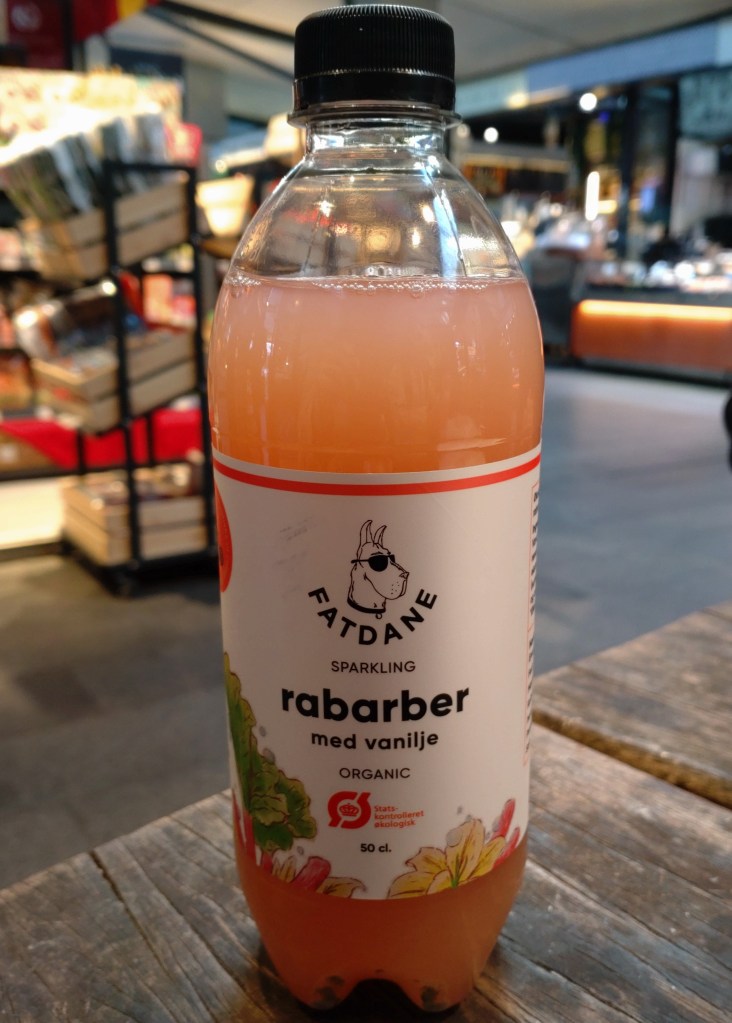
We washed our tastings down with a beverage that was rather novel to us – sparkling rhubarb with vanilla. Enjoyably refreshing. And yes, the Danes are pretty innovative with their rhubarb!
Earlier on in the day, while on a walking tour of the city, Fabrine also introduced us to a couple of other sweet treats. The first was kanelbrød (cinnamon swirl bread), which was a fair bit different from the comparatively softer and smoother cinnamon bun.

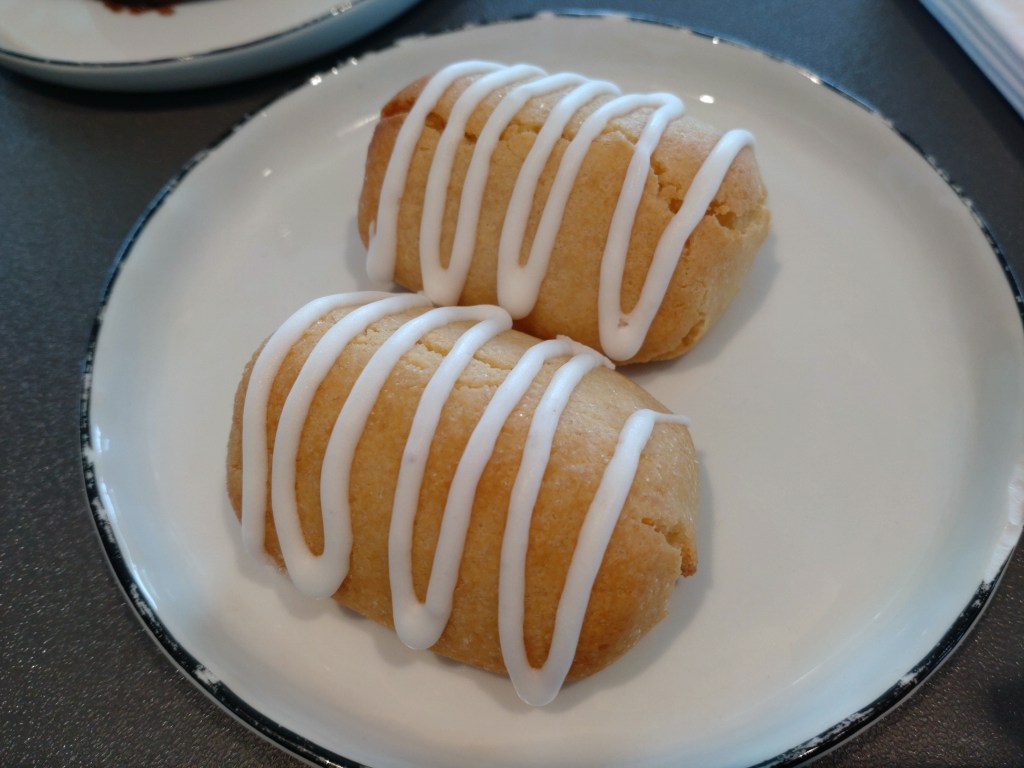
The second was kransekage, a lovely little traditional cake made with marzipan. Perhaps a little on the sweet side for some, yes, but quite charming in its own way, I thought.
 The Eat Log